
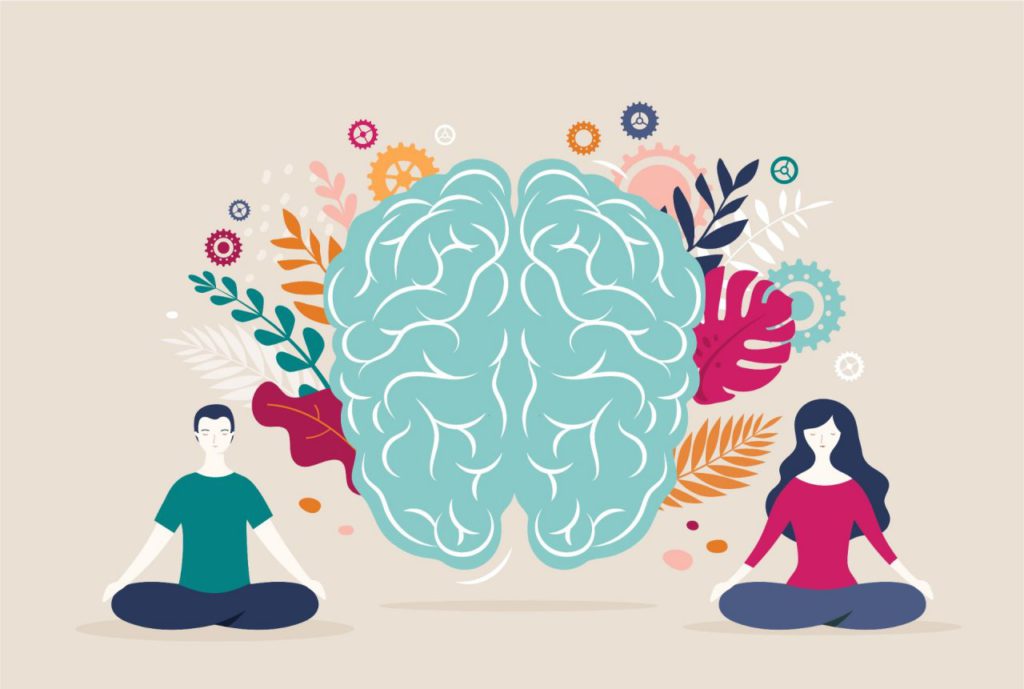
Modern life often feels filled with distractions, constant notifications, and endless responsibilities. Many people struggle to stay mentally focused throughout the day because their minds are pulled in different directions. While technology and busy schedules contribute to this challenge, simple wellness practices can make a significant difference in improving concentration and mental clarity. By creating healthier routines and making mindful lifestyle choices, individuals can strengthen their focus naturally and feel more productive each day.
The Importance of Consistent Sleep Patterns
Mental focus begins with quality sleep. A tired brain cannot process information efficiently, which leads to slower thinking and reduced attention span. People who maintain regular sleep schedules often experience improved memory, stronger concentration, and better emotional balance.
Creating a calming nighttime routine helps prepare the body for proper rest. Reducing screen time before bed, limiting caffeine in the evening, and maintaining a comfortable sleep environment can all support deeper sleep. Even simple habits like reading a book or Practicing breathing exercises before bedtime may improve overall mental sharpness during the next day.
Daily Movement Supports Brain Function
Physical activity is one of the most effective ways to improve mental focus. Exercise increases blood circulation and delivers more oxygen to the brain, helping people stay alert and mentally active. Walking, stretching, cycling, and yoga can all contribute to stronger cognitive performance.
Many individuals are now incorporating short movement breaks into their daily routines to avoid mental fatigue. Even ten minutes of walking outdoors can refresh the mind and improve concentration levels. Similar to how creative hobbies like mehndi design easy and beautiful require patience and precision, regular physical movement also trains the brain to remain engaged and attentive.
Mindful Breathing Reduces Mental Clutter
Stress and anxiety often interfere with mental clarity. When the mind becomes overwhelmed, it becomes harder to focus on tasks effectively. Practicing mindful breathing helps calm the nervous system and improves awareness of the present moment.
Deep breathing exercises encourage relaxation and reduce unnecessary mental noise. Many wellness experts recommend spending a few minutes each morning focusing on slow breathing to prepare the mind for the day ahead. These moments of stillness can create a noticeable improvement in concentration and emotional balance.
Healthy Nutrition and Hydration Matter
The foods people consume directly affect brain performance. Diets filled with processed foods and excessive sugar may lead to energy crashes and reduced attention span. Balanced meals that include fruits, vegetables, proteins, and healthy fats provide the nutrients necessary for better cognitive function.
Hydration also plays a critical role in mental performance. Dehydration can cause headaches, fatigue, and difficulty concentrating. Drinking enough water throughout the day supports clearer thinking and sustained focus.
Some people explore wellness content and lifestyle trends through platforms such as https://anfieldedition.net, where discussions around healthy routines and personal growth continue to attract attention from readers interested in improving their daily lives.
Limiting Digital Overload
Constant digital exposure has become one of the biggest obstacles to maintaining focus. Notifications, social media scrolling, and multitasking can reduce attention span over time. Setting boundaries around screen usage allows the brain to recover from information overload.
Many professionals now schedule specific times for checking emails and social media rather than responding constantly throughout the day. Turning off unnecessary notifications can also reduce distractions significantly. Activities that demand patience and concentration, such as drawing the perfect circle, remind people of the value of slowing down and focusing on one task at a time.
Creating Structured Daily Routines
A structured routine provides mental stability and reduces decision fatigue. When individuals follow organized schedules, their minds can focus more effectively on important tasks instead of constantly adapting to chaos.
Simple habits such as making a to do list, planning meals in advance, or setting fixed working hours can improve productivity. Wellness routines do not need to be complicated to be effective. Small, consistent actions often create the biggest long term improvements in focus and mental clarity.
In some communities, programs connected with seva yojna also encourage people to maintain balanced lifestyles through discipline, responsibility, and personal development initiatives that promote healthier daily habits.
Engaging in Creative Activities
Creative hobbies stimulate the brain in unique ways and help improve concentration naturally. Activities like painting, journaling, music, crafting, and design work encourage individuals to remain fully engaged in the present moment.
Creative focus trains the mind to pay attention to details while reducing stress levels. Many people discover that spending time on artistic hobbies helps them return to professional responsibilities with renewed energy and sharper thinking. Online creative communities such as sfmcompileclub continue to inspire individuals who enjoy exploring imagination, digital creativity, and focused learning experiences.
Spending Time Outdoors
Nature has a calming effect on the human mind. Spending time outdoors helps reduce mental exhaustion and improves emotional well being. Fresh air, sunlight, and natural surroundings allow the brain to recover from constant stimulation.
Many individuals find that outdoor walks, gardening, or quiet time in parks improve their ability to focus afterward. Disconnecting from indoor distractions and reconnecting with nature supports both physical and mental wellness.
Conclusion
Better mental focus does not usually come from drastic lifestyle changes. Instead, it develops through small daily wellness practices that strengthen both the mind and body over time. Consistent sleep, regular movement, mindful breathing, balanced nutrition, creative hobbies, and reduced digital distractions all contribute to improved concentration and emotional clarity.
As modern life continues to become more demanding, prioritizing simple wellness routines can help individuals feel calmer, sharper, and more productive. Even the smallest positive habits, practiced consistently, can create meaningful improvements in mental focus and overall well being.