
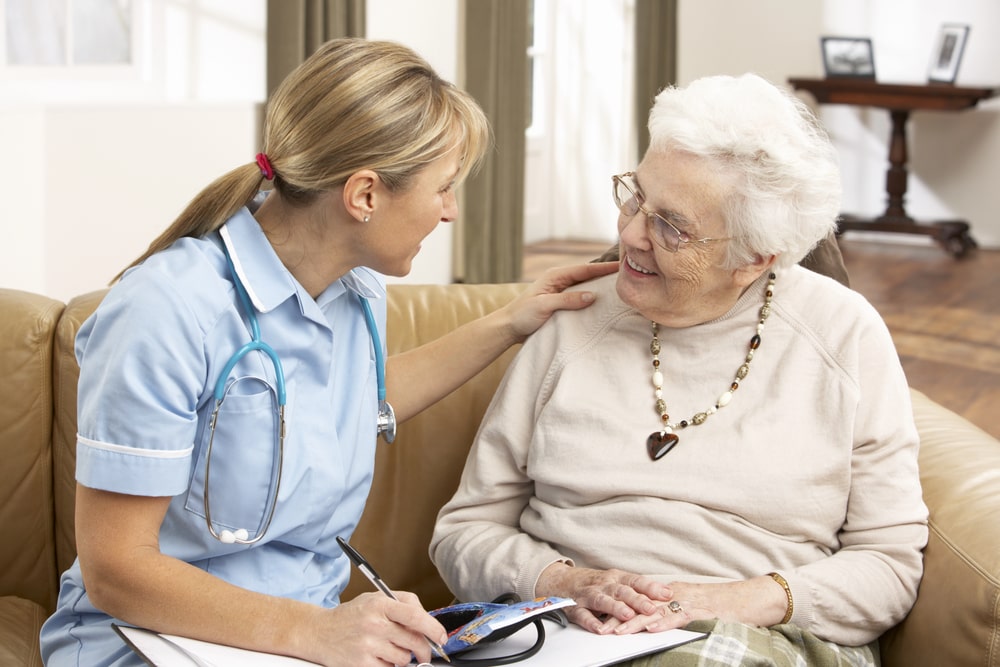
Families may feel overburdened after a nursing home accident, particularly if they don’t know what happened or what to do next. Delaying action may make it more difficult to find the truth and defend a loved one’s rights, regardless of whether the harm was caused by a fall, inadequate supervision, prescription errors, or neglect. Families can protect crucial evidence, get the right medical attention, and start resolving issues before they become worse by acting quickly.
Early consultation with a reliable legal resource, like https://nursinghomelitigator.com/henderson-nv/, may assist families in better understanding their choices and ensure that important information is not lost if the accident happened under dubious circumstances.
First And Foremost, Immediate Medical Attention
The wounded resident’s health and safety should always come first. If neglected, even seemingly small injuries might develop into major ones. Complications are more likely in older persons because they often have compromised immune systems, brittle bones, and underlying medical issues.
In addition to producing a thorough medical record, a timely medical examination aids in the discovery of concealed injuries. If issues subsequently come up about how the injury happened or whether the proper treatment was given, these records constitute important documentation. Additionally, early therapy might shorten the resident’s recuperation period and enhance their general health.
Crucial Evidence May Vanish
The fact that evidence is seldom permanent is one of the key justifications for moving swiftly. Maintenance records may be altered, security video can be erased, and witness recollections eventually deteriorate.
Photographs, medical reports, incident paperwork, personnel schedules, and other data that can shed light on what transpired can be gathered more easily the sooner concerns are voiced. Establishing a precise chronology of events is sometimes more challenging when an inquiry is postponed.
Early evidence preservation strengthens the basis for determining whether the damage was caused by avoidable carelessness or an inevitable accident.
Recognizing The Injury’s Cause
Every injury that occurs in a care home has a different cause. While some injuries are caused by unintentional falls, others may be the consequence of poor supervision, hazardous living situations, incorrect lifting skills, prescription mistakes, or postponed medical care.
Determining whether appropriate care standards were adhered to requires a thorough examination of the situation. By taking prompt action, experts can review the evidence before crucial information is lost.
Families need to know exactly how their loved one was hurt and whether there is anything more that can be done to stop similar instances from happening to other residents.
Preventing Future Damage To Residents
In a care home, an accident might highlight more serious problems. Multiple residents may be at risk due to issues including understaffing, poor communication, insufficient training, or dangerous practices.
Promptly addressing complaints allows administrators to look into and fix hazardous situations before someone else is hurt. Families who promptly report accidents often contribute to increased safety for both their loved ones and other patients getting treatment at the same hospital.
Legal Deadlines Must Never Be Disregarded
Laws in every state set deadlines for filing lawsuits pertaining to injuries sustained in nursing homes. If you wait too long, you can have fewer legal choices or find it more difficult to present a compelling case.
Starting the procedure early gives lawyers enough time to examine medical records, speak with witnesses, seek advice from certified specialists, and compile supporting paperwork. Additionally, it lessens the possibility of missing important deadlines that might impact a claim’s result.
In general, families that seek advice shortly after an accident are better equipped to decide what to do next.
Open Communication Aids In Concern Resolution
Because they trust the nursing home personnel or assume the injury was just an unusual incident, many families are first reluctant to raise concerns. Nonetheless, maintaining a loved one’s well-being requires courteous communication.
You may get important insight into the problem by asking for event reports, talking about treatment plans, and getting an explanation of what happened. Families may choose to look into the situation further if the responses are still ambiguous or contradictory.
Keeping lines of communication open and recording every discussion contributes to a more comprehensive understanding of the circumstances underlying the injury.
In Conclusion
Responding to a single occurrence is just one aspect of taking prompt action after an accident at a nursing home. Protecting a vulnerable resident, keeping crucial evidence safe, comprehending what transpired, and assisting in the prevention of such incidents in the future are all critical. A more educated reaction is facilitated by prompt medical attention, meticulous documentation, and timely legal advice. Families are in the best position to protect their loved ones’ health and legal rights and promote more responsibility in nursing homes when they promptly raise issues.