
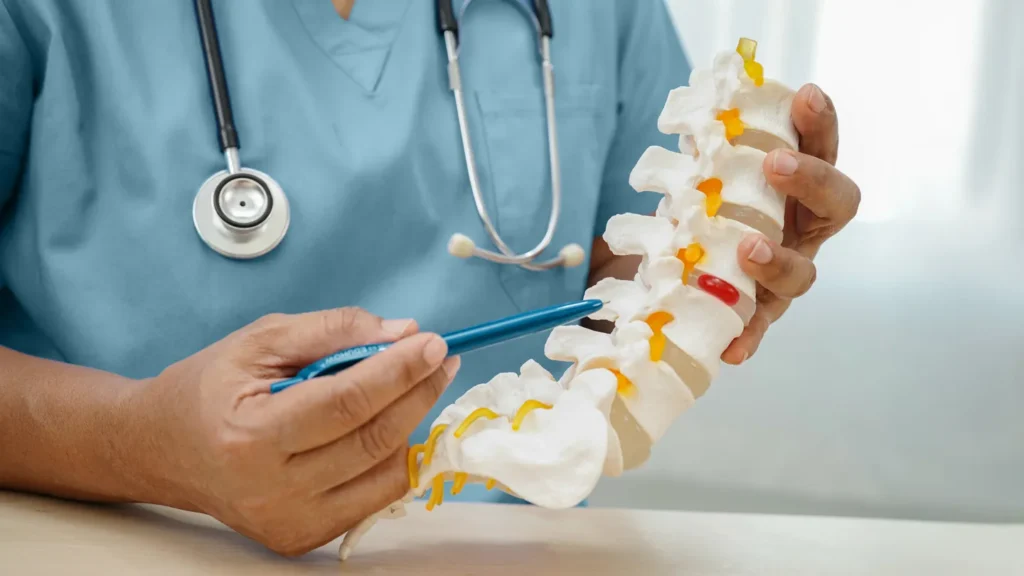
One of the most common health problems that people of all ages have is back pain. Back pain that doesn’t go away can make it hard to do things and get around, whether it’s from an injury, bad posture, getting older, or an underlying medical problem. Many people get better with traditional treatments like medicine, physical therapy, and surgery, but they may not always help in the long run. Here, regenerative medicine is getting more attention as a possible way to treat back pain.
What Is Regenerative Medicine?
The goal of regenerative medicine is to use the body’s natural healing powers to fix and restore damaged tissues. Instead of only treating symptoms, this approach aims to address the root cause of pain. By stimulating tissue repair and reducing inflammation, regenerative therapies may help patients recover more effectively and maintain better spinal health over time.
Common regenerative treatments include platelet-rich plasma (PRP) therapy and stem cell therapy. These methods use biological materials taken from the patient’s own body to promote healing in damaged areas of the spine.
How PRP Therapy Works
In PRP treatment, a small amount of blood from the patient is taken and processed to concentrate the platelets. Platelets have growth factors in them that help tissues heal. The PRP solution is injected into the injured part of the spine after it has been prepared. This lowers inflammation, helps cells grow back, and speeds up the healing process generally.
People often choose PRP treatment because it is not too invasive and uses their own blood, which lowers the chance of allergic reactions. A lot of people use it to treat things like strained muscles, disc problems, and ligament damage.
Stem Cell Therapy for Back Pain
Stem cell therapy uses special cells that can develop into different types of tissues. These cells are usually taken from bone marrow or fat tissue. Stem cells are inserted into the injured part of the spine after they have been processed. They help regenerate damaged discs, tendons, and ligaments, offering potential long-term relief.
This treatment is especially helpful for patients with degenerative disc disease or chronic spinal issues. Even though more study needs to be done, many patients say that their pain and mobility have improved after treatment.
Benefits of Regenerative Medicine
One of the best things about regenerative medicine is that it gets to the root cause of back pain instead of just covering up the signs. In some cases, it also cuts down on the need for surgery. There isn’t a high chance of side effects because the medicines use the patient’s own biological material.
One more benefit is that the healing time is shorter than after surgery. After treatment, most people can go back to their normal lives quickly. Because of this, regenerative medicine is a good choice for people who are always on the go.
Who Can Benefit from These Treatments?
Regenerative therapies are suitable for individuals suffering from chronic back pain, sports injuries, disc problems, and age-related spinal conditions. However, not everyone is an ideal candidate. To figure out the best way to treat the problem, a full medical exam is needed.
If you are searching for a pain clinic near me, it is important to choose a facility that offers advanced diagnostic tools and experienced specialists. A proper diagnosis ensures that regenerative treatment is appropriate for your specific condition.
What to Expect During Treatment
The procedure is usually done on an outpatient basis. After the injection, mild discomfort may occur, but it typically subsides within a few days. Improvement can be gradual, as the body needs time to heal naturally. Within a few weeks, most people start to see changes.
Doctors often recommend combining regenerative treatments with physical therapy and lifestyle changes to achieve the best results. Maintaining proper posture, staying active, and strengthening core muscles support long-term spine health.
Is Regenerative Medicine Safe?
Regenerative medicine is considered safe when performed by qualified professionals. Since it uses the patient’s own cells or blood, the risk of infection or rejection is low. However, it is important to consult a trusted specialist to discuss potential risks and benefits.
Final Thoughts
People who are having trouble with back pain may find that regenerative medicine is a good option. It’s a more natural and long-lasting answer because it focuses on healing instead of short-term relief. If regular treatments haven’t helped, you might want to look into regenerative choices.
To find a pain clinic near me, look for one that focuses on advanced pain treatment and therapies that help the body heal itself. If you get the right care and advice, you can improve your spine health and quality of life.